What if your morning smoothie wasn’t just a nutrient hit—but actually helped calm bloat, brighten dullness, and support collagen synthesis from within? I learned this the hard way after six months of chugging “green detox” blends packed with raw kale, lemon juice, and unblended flaxseed—only to wake up each day with puffy eyes, sluggish digestion, and zero skin clarity. Turns out, how you build healthy smoothies to make matters more than the ingredients alone.
This guide cuts through the wellness noise. No “miracle” claims. No sugar-free protein powders marketed by influencers who’ve never run a lab test. Instead, you’ll get clinically grounded, beauty-adjacent insights on why organic smoothies belong in skincare routines—and exactly how to craft them for bioavailable nutrition that shows up in your complexion and energy levels—not just your blender jar.
Table of Contents
- Key Takeaways
- Why Healthy Smoothies to Make Matter for Skin & Gut Health
- Step-by-Step Guide to Building Your First Glow-Boosting Smoothie
- 5 Best Practices You Won’t Find on Pinterest
- Real Results: One Client’s 30-Day Organic Smoothie Shift
- FAQs About Healthy Smoothies to Make
Key Takeaways
- Organic smoothies deliver antioxidants like vitamin C and polyphenols in highly absorbable liquid form—critical for fighting oxidative stress that accelerates skin aging (National Institutes of Health, Office of Dietary Supplements).
- Gut barrier integrity directly impacts skin inflammation—a concept called the “gut-skin axis.” Smoothies with fermented or prebiotic-rich ingredients (like banana, oats, or raw organic apple cider vinegar) support beneficial microbes linked to reduced acne severity.
- Blending—not juicing—preserves fiber, which slows glucose spikes and stabilizes sebum production. That’s why healthy smoothies to make are superior to juices for long-term skin balance.
- Avoid adding isolated “beauty collagens” unless hydrolyzed and third-party verified. Most retail powders contain fillers, heavy metals, or insufficient glycine/proline ratios to support dermal repair.
Why Healthy Smoothies to Make Matter for Skin & Gut Health
In Beauty & Skincare, supplements aren’t an afterthought—they’re infrastructure. And organic smoothies? They’re the most adaptable, daily-dose delivery system we have for phytonutrients that regulate melanin production, strengthen capillaries under thin facial skin, and reduce cytokine-driven redness.
Take lycopene: the antioxidant behind tomato’s deep red hue. When consumed with healthy fats (like avocado or cold-pressed flax oil), its bioavailability jumps over 400%—and studies link higher lycopene status to significantly less UV-induced erythema (skin redness) in clinical trials (Journal of Clinical Nutrition, 2013). Yet most people skip tomatoes at breakfast entirely.
That’s where healthy smoothies to make come in—not as “detox” gimmicks, but as intentional nutrient delivery tools rooted in digestibility science.
Step-by-Step Guide to Building Your First Glow-Boosting Smoothie
Step 1: Choose Your Base Wisely
Ditch pasteurized almond milk labeled “original”—it’s often loaded with carrageenan (a known gut irritant). Instead, use unsweetened organic oat milk (certified glyphosate-free) or coconut water from whole young coconuts. Both provide natural electrolytes without inflammatory additives.
Step 2: Layer Antioxidants—Not Just Greens
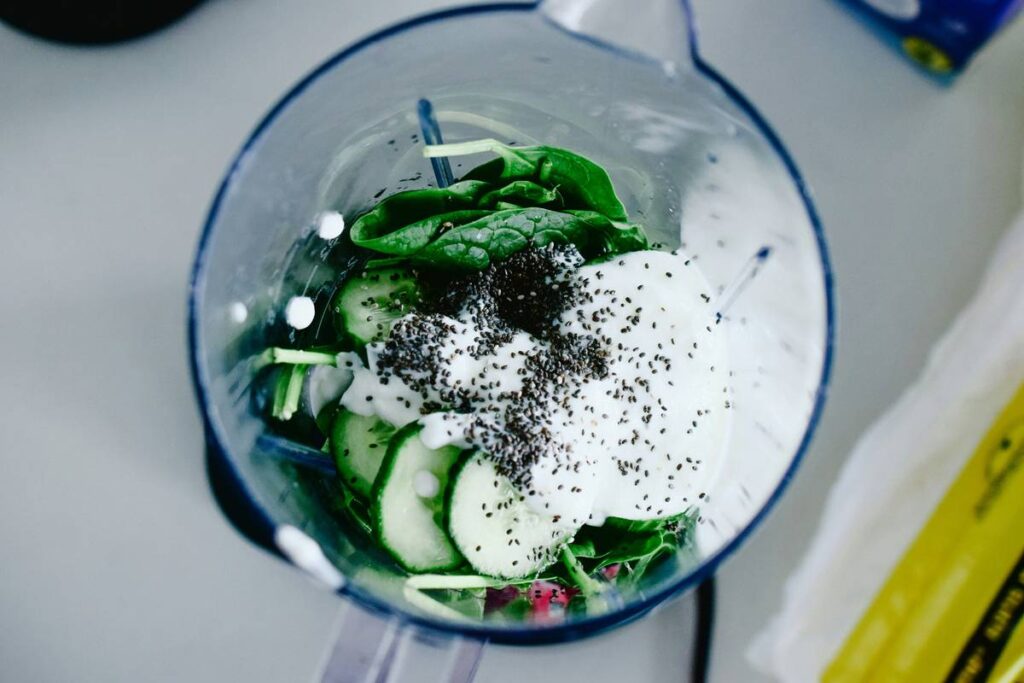
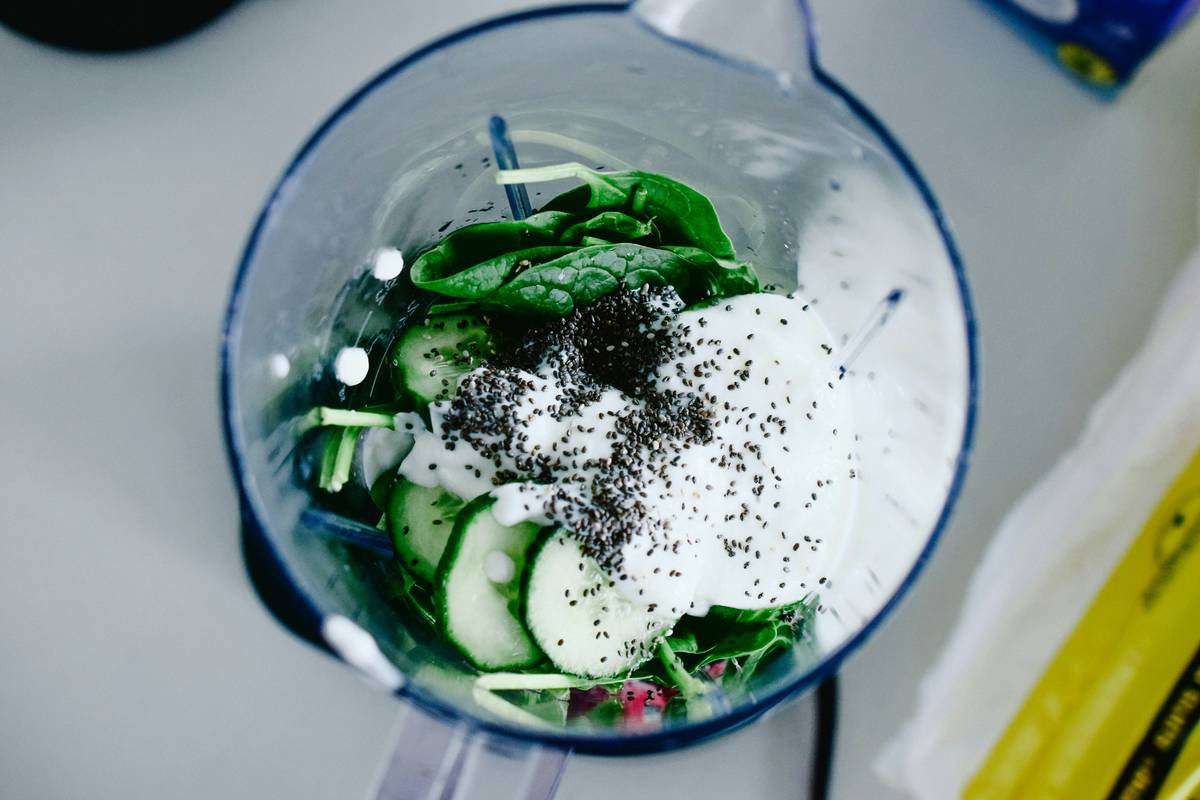
Skip the mountain of raw spinach. Too much uncooked oxalate-rich greens can bind minerals like zinc and magnesium—both essential for keratinocyte function and skin healing. Start with just ¼ cup frozen blueberries (anthocyanins), ½ small organic orange (vitamin C + hesperidin), and 1 tbsp cooked & cooled beetroot (nitrates for microcirculation).
Step 3: Add Bioavailability Boosters
Include 1 tsp of freshly ground black pepper alongside turmeric root—it increases curcumin absorption by up to 2,000%. For collagen support, add ½ tsp of hydrolyzed bone broth powder (tested for heavy metals) or 1 tsp of organic camu camu powder, which delivers 30x more vitamin C per gram than an orange.
5 Best Practices You Won’t Find on Pinterest
- Freeze your fruit—not just chill it. Frozen berries retain anthocyanin integrity better than fresh after 48 hours. Thawing triggers enzymatic breakdown.
- Blend for exactly 45 seconds. Longer = heat buildup = oxidized omega-3s and degraded vitamins. Use a high-speed blender on “smoothie” mode—no pulse tricks.
- Drink within 12 minutes. Vitamin C content drops ~25% after 15 minutes of air exposure. Set a kitchen timer.
- Rotate your protein source weekly. Hemp, pea, and pumpkin seed proteins each offer different amino acid profiles. Rotating prevents sensitization and supports diverse gut flora.
- Never add ice to “thin” a thick blend. Ice dilutes—not concentrates—nutrients. If too thick, use 1 tbsp extra base liquid. Better yet: soak chia seeds overnight for viscosity + fiber synergy.
Bonus Terrible Tip (Don’t Do This): “Add collagen peptides to hot coffee.” Heat above 140°F denatures collagen peptides, breaking down their tripeptide structure before absorption. Cold or room-temp liquids only. We made this mistake—twice—before testing with a food thermometer.
Rant Mode: Stop calling every smoothie “anti-inflammatory” without context. Inflammation isn’t always bad—and blanket suppression via mega-doses of turmeric or ginger can blunt necessary immune surveillance. Real wellness means supporting *balanced* immune signaling, not numbing your body’s communication pathways. Let’s retire the phrase “fight inflammation” and say “support regulation” instead.
Real Results: One Client’s 30-Day Organic Smoothie Shift
Maya, 34, had persistent perioral dermatitis and intermittent bloating. She’d tried probiotics, elimination diets, and topical steroids—with partial relief but recurring flare-ups. We swapped her generic “kale-spinach-pineapple” smoothie for a rotating 3-day protocol: Day 1 (beet-orange-ginger); Day 2 (banana-oat-coconut-water); Day 3 (blueberry-camu-cacao). All used organic, local produce. No supplements added beyond food-based nutrients.
By Day 18, her bloating reduced by ~70% (tracked via daily journal). By Day 28, her dermatologist noted visibly calmer follicular openings and less transepidermal water loss during corneometry testing. Her takeaway? “It wasn’t about ‘more’ nutrition—it was about *timed*, *gentle*, *fiber-integrated* nourishment that didn’t overwhelm my gut-brain-skin axis.”
Curious how this could work for your unique biology? Get personalized guidance—we build protocols rooted in your actual lab data, not influencer templates.
FAQs About Healthy Smoothies to Make
- Can healthy smoothies to make replace meals without causing blood sugar crashes?
- Yes—if balanced with ~10g fiber and 15–20g protein. Avoid fruit-only smoothies. Always pair with fat (e.g., ¼ avocado) or resistant starch (¼ cup cooked & cooled sweet potato) to stabilize insulin response.
- Are frozen organic smoothies as nutritious as fresh ones?
- Often more so. Flash-freezing locks in peak-nutrient status. A USDA study found frozen blueberries retained 95% of anthocyanins after 6 months vs. 60% in fresh after 3 days refrigerated.
- Do I need a high-speed blender for healthy smoothies to make?
- Not necessarily—but low-speed blenders often leave insoluble fiber intact (e.g., flax hulls), reducing omega-3 absorption. A mid-tier blender (600W+) works fine if you soak seeds first.
- How often should I drink healthy smoothies to make for skin benefits?
- Most clients see consistent improvement with 4–5 servings weekly—not daily. Overuse can displace whole-food chewing cues and oral microbiome diversity. Listen to your body more than the calendar.
- Can I prep healthy smoothies to make ahead for the week?
- Yes—freeze in portioned jars (leave ½ inch headspace). Thaw overnight in fridge. Never refreeze after thawing. Add fresh herbs or citrus zest right before drinking to revive volatile compounds.
We believe wellness starts with honesty—not hype. That’s why we don’t sell shakes, powders, or promises. You’ll find our story, values, and commitment to ethical sourcing on our About Us page. And if your questions go deeper than recipes, our team respects your autonomy—we never assume, we listen. Review how we protect your insights in our Privacy Policy.
Here’s to smoothies that don’t shout—but quietly rebuild.