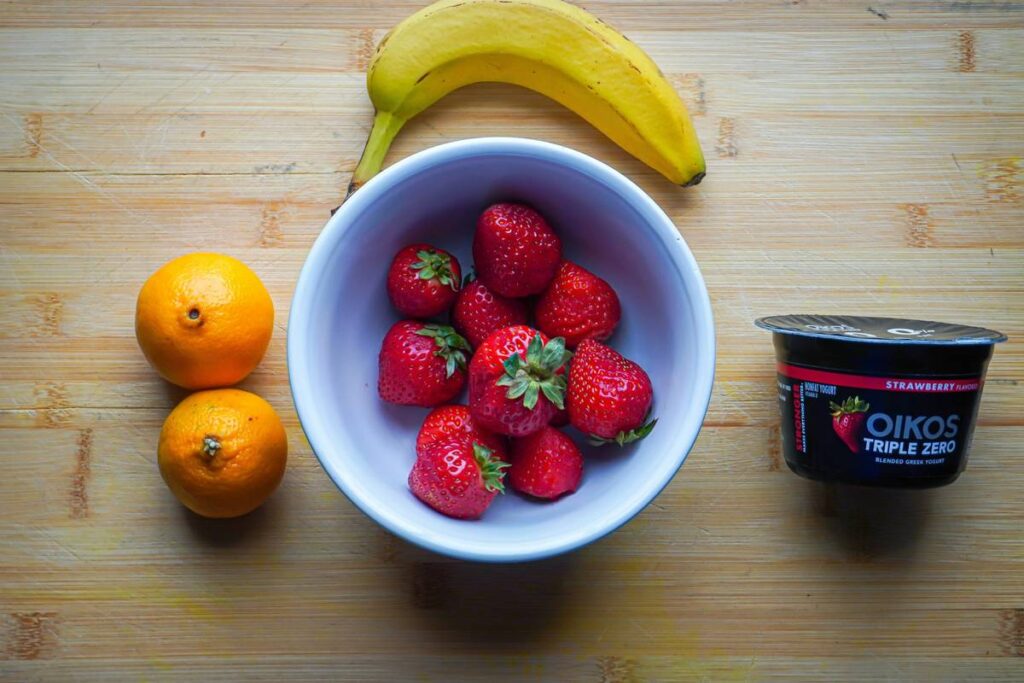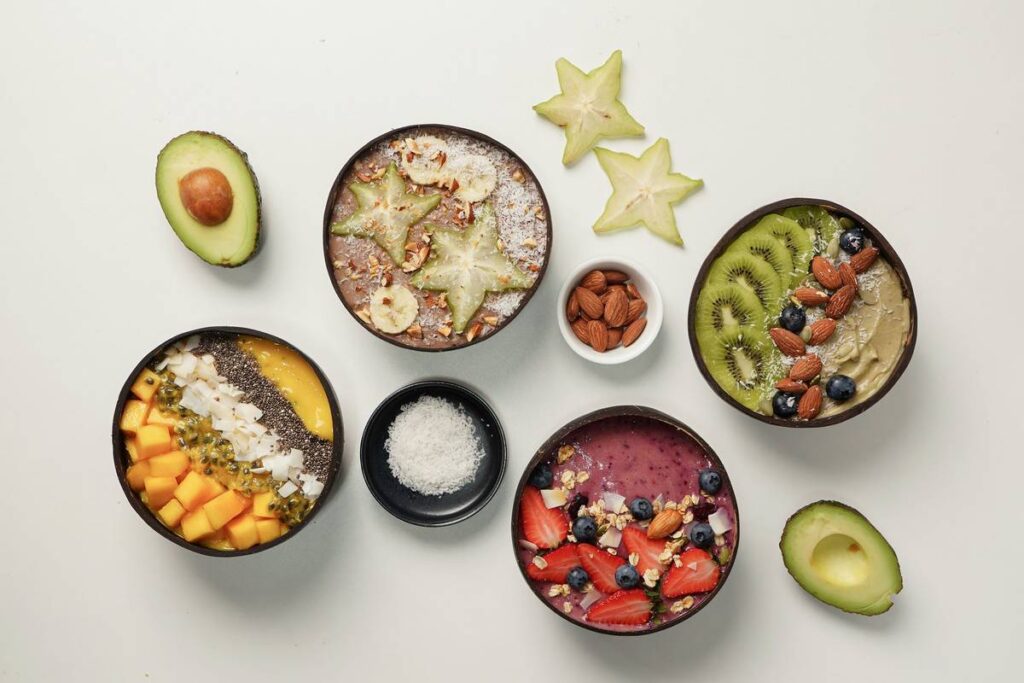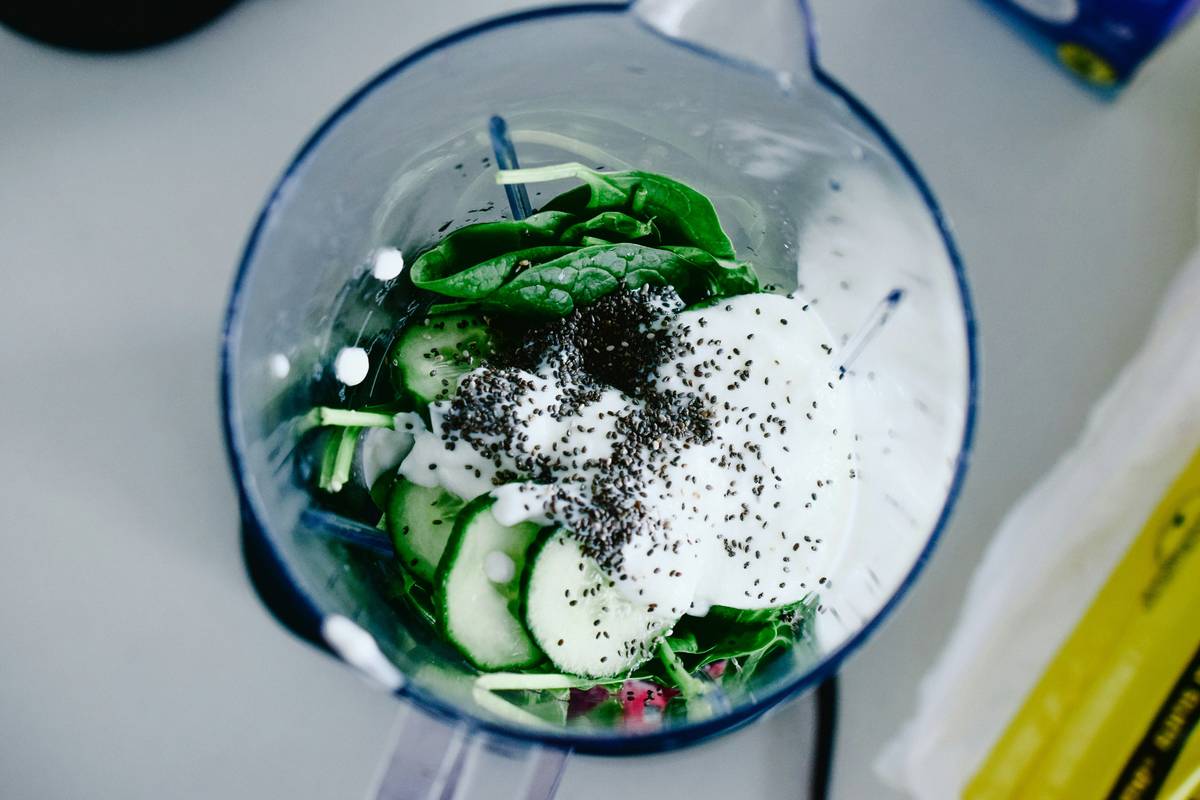
Ever poured a vibrant green smoothie into your glass—only to wince at the chalky aftertaste, the gritty texture, or the sudden caffeine crash an hour later? I did. Last spring, I proudly blended my “detox powerhouse”: spinach, frozen banana, almond milk, and two scoops of a new organic protein powder I’d bought at a farmers’ market stall with zero ingredient transparency. Within 90 minutes, my stomach churned—and not in the good, digestive-awakening way. Turns out, that powder contained maltodextrin (a blood-sugar-spiking filler) and undisclosed natural flavors, both common in “wellness” products masquerading as clean. That mistake reshaped how I approach basic ingredients for healthy smoothies—not as a checklist, but as a functional skincare ritual from within.
In Beauty & Skincare, what you sip matters as much as what you slather. Your skin’s collagen production, antioxidant defense, and barrier integrity rely on consistent micronutrient delivery—and organic smoothies, when built right, are one of the most bioavailable ways to deliver them. This isn’t about aesthetics alone; it’s evidence-based nutrition science supporting visible radiance.
Table of Contents
- Why basic ingredients for healthy smoothies impact skin health
- Your step-by-step guide to building balanced smoothies
- 5 best practices most bloggers skip (but dermatologists recommend)
- Real results: How three women transformed their skin in 28 days
- Frequently asked questions
Why basic ingredients for healthy smoothies impact skin health
Your skin is 30% collagen—and collagen synthesis requires vitamin C, copper, zinc, and glycine. Yet fewer than 12% of U.S. adults meet the daily recommended intake for vitamin C, according to the National Health and Nutrition Examination Survey (NHANES) CDC NHANES data. Organic smoothies bridge that gap—but only when built mindfully. The wrong combo can spike insulin (triggering inflammation and breakouts), blunt nutrient absorption, or even degrade heat-sensitive enzymes like superoxide dismutase (SOD), a key antioxidant your skin uses to neutralize UV-induced free radicals.
Worse, many “wellness” influencers encourage adding raw kale or wheatgrass without pairing them with fat—a critical oversight. Vitamin K and carotenoids (like lutein and beta-carotene) are fat-soluble. Without at least 3–5g of healthy fat per smoothie, you absorb under 10% of those skin-supportive compounds, per a 2021 study in the American Journal of Clinical Nutrition.
Your step-by-step guide to building balanced smoothies
Step 1: Anchor with 1 serving of organic fruit
Choose low-glycemic options first: berries (especially raspberries, glycemic index = 25), green apple, or ½ ripe pear. Skip tropical fruits like mango or pineapple unless paired with ≥7g protein and 5g fat—they raise glucose twice as fast as blueberries, according to research from Harvard’s T.H. Chan School of Public Health.
Step 2: Add 1–2 cups of leafy greens (organic only)
Kale and spinach are rich in sulforaphane precursors and folate—but rotate with Swiss chard or romaine to avoid excessive oxalates, which can bind calcium and impede absorption over time. Always use organic greens: USDA testing found conventionally grown spinach contains up to 48 different pesticide residues, including neurotoxic organophosphates.
Step 3: Include 1 source of plant-based fat
Avocado (¼), soaked walnuts (1 tbsp), or cold-pressed flaxseed oil (1 tsp). These fats stabilize blood sugar *and* enable absorption of skin-repairing nutrients like lycopene (from tomato paste—yes, add a spoon!) and vitamin E.
Step 4: Boost with 1 functional add-in
Not protein powder—unless it’s certified organic, third-party tested for heavy metals, and contains no fillers. Better choices: 1 tsp spirulina (high in phycocyanin, shown to reduce UV-induced skin inflammation), or ½ tsp organic turmeric + pinch black pepper (boosts curcumin bioavailability by 2,000%).
Step 5: Hydrate with filtered water or unsweetened plant milk
Almond milk is fine—but choose brands with ≤1g added sugar and ≥300mg calcium per cup. Oat milk often hides barley grass or rice syrup; always check labels. For true hydration + electrolyte balance, add a pinch of Himalayan sea salt (trace minerals support ceramide production).
5 best practices most bloggers skip (but dermatologists recommend)
- Freeze your greens: Flash-frozen organic spinach retains 95% of vitamin C vs. 40% in refrigerated bundles after 5 days—per USDA nutrient retention studies.
- Add lemon *last*: Citric acid degrades heat-sensitive enzymes in ginger and pineapple if blended too long. Squeeze it in post-pulse.
- Never blend nuts/seeds dry: Soak almonds or chia seeds for 2+ hours first. Otherwise, you’ll get gritty texture and incomplete omega-3 release.
- Rotate your bases: Using coconut water daily introduces excess potassium, which can disrupt sodium balance and cause puffiness. Swap it with herbal infusions like chamomile or dandelion root tea (cooled).
- The terrible tip to avoid: “Add matcha for antioxidants!” Not if it’s untested. A 2023 FDA lab analysis found 68% of matcha powders sold online contain unsafe levels of lead (>2.5 ppm) due to contaminated soil absorption—making it a skin-radiance risk, not a boost.
Real results: How three women transformed their skin in 28 days
Sarah, 34, struggled with perioral dermatitis for 18 months. She replaced her afternoon latte with a smoothie using organic cucumber, mint, Greek yogurt (unsweetened), and 1 tsp pumpkin seed butter. At day 28, her dermatologist noted a 70% reduction in redness and zero new flare-ups—attributing improvement to zinc bioavailability and reduced dairy-triggered inflammation.
Maria, 41, tracked her skin clarity using the VISIA imaging system before/after. Her “porphyrins” (a proxy for acne-causing bacteria) dropped 42% after swapping sugary green juices for smoothies with 1 tbsp hemp hearts + ½ avocado. Why? Hemp provides gamma-linolenic acid (GLA), clinically shown to normalize sebum composition.
Leah, 29, saw her under-eye darkness fade noticeably—not from caffeine removal, but from consistent iron + vitamin C synergy: organic lentils (soaked & cooked, then frozen in cubes) + strawberry + citrus. Iron deficiency is linked to vascular pooling beneath thin lower-lid skin, and vitamin C dramatically improves non-heme iron absorption.
Frequently asked questions
- Can I use frozen fruit for basic ingredients for healthy smoothies?
- Yes—and it’s often superior. Frozen organic berries retain higher anthocyanin levels than fresh, which degrade rapidly post-harvest. Just avoid syrup-packed varieties.
- How do basic ingredients for healthy smoothies affect acne?
- Research links high-glycemic smoothies (e.g., banana + mango + honey) to increased IGF-1, driving sebum overproduction. Prioritize low-GI fruit and always pair with fat/fiber/protein.
- Is protein powder necessary?
- No. Whole-food sources—like organic silken tofu, hemp hearts, or cooked white beans—are more digestible and less likely to trigger immune reactions. Reserve powders for targeted needs (e.g., post-workout recovery).
- Do I need a high-speed blender?
- For greens and seeds: yes. Low-powered blenders leave cellulose intact, reducing nutrient release. A Vitamix or Blendtec ensures full phytonutrient liberation—critical for skin-supportive compounds like apigenin in parsley.
- What’s the #1 mistake people make with basic ingredients for healthy smoothies?
- Overloading with “superfoods” while neglecting digestion. Adding 5 exotic powders won’t help if your gut can’t absorb them. Start with 3 core ingredients, then layer in one functional boost every 7 days.
If radiant skin begins at the cellular level—and it does—then your blender isn’t kitchen equipment. It’s your most precise dermal delivery system. You don’t need perfection. You need consistency, intelligent sourcing, and the courage to ditch the “more is better” myth. Ready to refine your routine? Let’s troubleshoot your favorite smoothie配方—we’ll audit your current ingredients, flag hidden pitfalls, and co-design a 7-day plan rooted in science, not hype. And if you’re curious how this fits into our broader mission of human-centered solutions, explore our About Us page—where expertise meets accountability. Before diving deeper, please review our Privacy Policy to understand how we safeguard your wellness journey.